As autumn deepens and the chilly rains return to Stanwood, many pet owners notice their dogs and cats slowing down or seeming stiff after a nap. If you find yourself worrying about whether your furry family member is feeling their best during the colder months, you are certainly not alone. Seasonal joint pain, especially as temperatures drop and damp weather settles in, can make everyday activities more challenging for pets with arthritis or other joint conditions.
At Stanwood Family Pet Care, located at 7207 265th St NW, #104, Stanwood, WA 98292, our veterinary team understands how much you want to keep your dog or cat comfortable and mobile. In this guide, we will explore how Stanwood’s November weather can impact your pet’s joints, the most common signs of seasonal discomfort, and what you can do at home and with your veterinarian to help your companion stay active and happy all season long. We will also discuss when it is time to schedule an appointment and highlight some of the treatment options available, such as K-Laser therapy for joint pain and mobility concerns, right here in Stanwood.
Recognizing Joint Pain in Your Dog or Cat
Every pet is unique, but certain signs can indicate that your dog or cat is experiencing joint discomfort, especially when the weather turns cold and damp. Stiffness after resting is one of the most common early clues, particularly if your pet seems slow to rise in the morning or after a nap. You might also notice limping, hesitation to jump onto furniture or into the car, or reluctance to go up or down stairs. Some pets become less playful, preferring shorter walks or avoiding their usual games. Other signs of joint pain include licking or chewing at the affected area, crying out when touched, or a change in posture such as arching the back or favoring one leg. Cats may hide more or stop grooming themselves as thoroughly.
It is important to remember that dogs and cats often hide their discomfort. Subtle changes in routine or temperament can be early indicators of pain, so paying attention to these small shifts can help you catch joint problems before they become more severe. If you notice any of these symptoms, a comprehensive physical examination is a valuable first step in assessing your pet’s overall health and mobility.
Why Does Cold, Wet Weather Affect Joint Health?
Many pet owners notice their dog or cat’s arthritis symptoms seem worse in the fall and winter, and there is a good reason for this. Cold, damp weather can cause muscles and connective tissues to tighten, making joints feel stiffer and more painful. Changes in atmospheric pressure during storms may also contribute to increased discomfort in pets with arthritis or old injuries. Additionally, pets often become less active as the weather turns unpleasant, leading to reduced muscle tone and flexibility, which can further exacerbate joint problems.
Older dogs and cats, as well as those with a history of orthopedic injuries or previous surgeries, are particularly susceptible to weather-related joint pain. Certain breeds, especially large-breed dogs and those predisposed to hip or elbow dysplasia, may struggle more as the temperature drops. Overweight pets are also at higher risk, as extra pounds put additional strain on already aching joints.
Professional Treatment and Support for Arthritic Pets
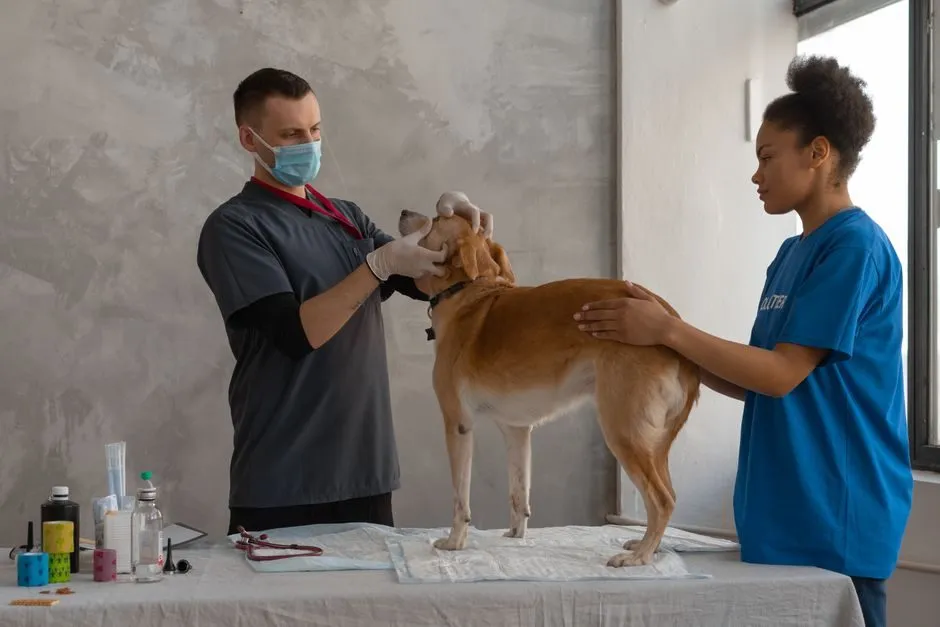
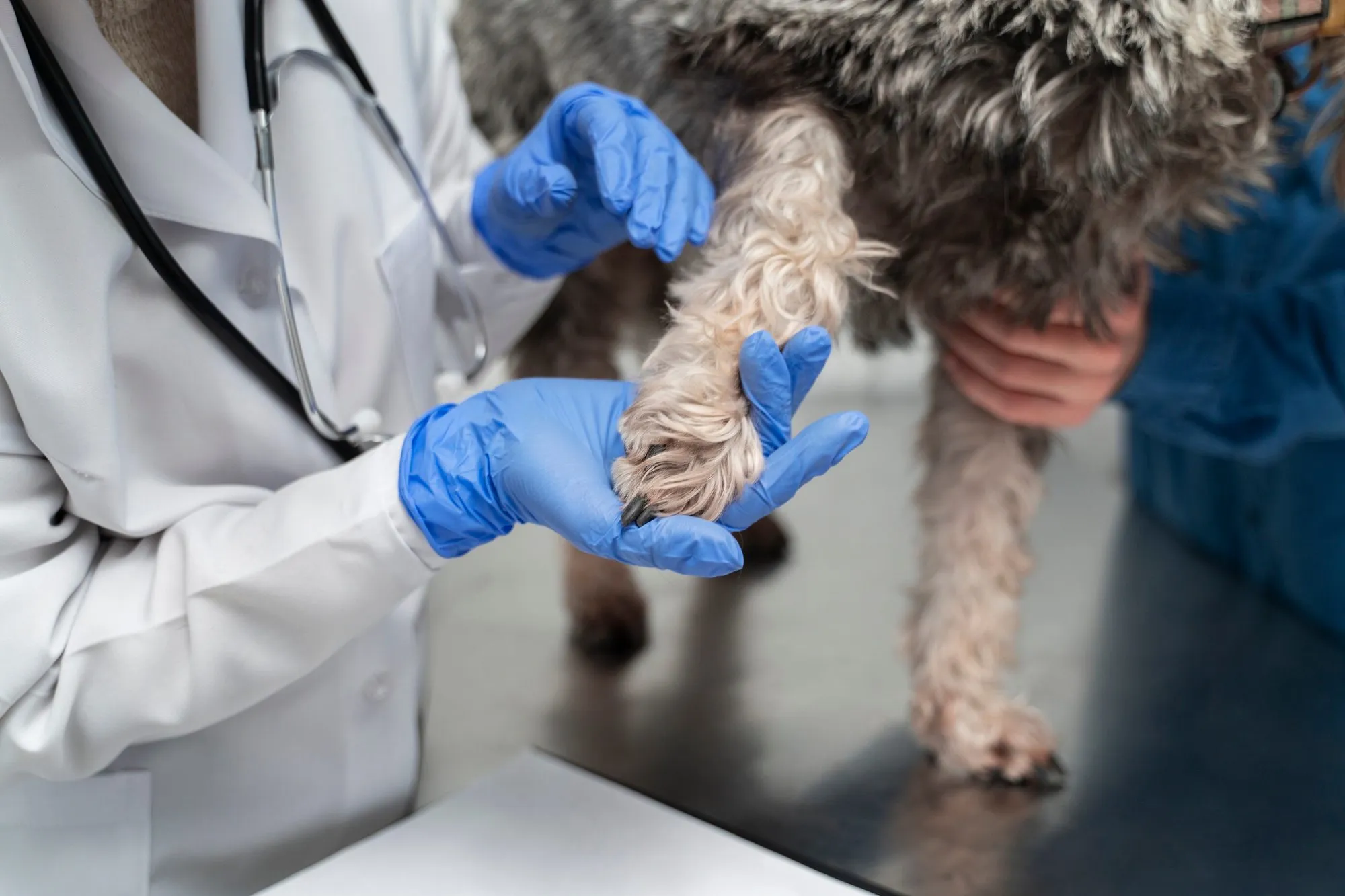
When your pet is showing signs of joint pain, a visit to your veterinarian is essential for both diagnosis and management. At Stanwood Family Pet Care, our veterinary team will start with a thorough examination to assess your pet’s mobility, pain level, and overall health. We may recommend diagnostic tools such as digital radiology to evaluate the extent of arthritis or rule out other causes of lameness. In some cases, bloodwork or additional tests may be needed to ensure there are no underlying issues contributing to the discomfort.
Treatment options for dogs and cats with arthritis or joint pain often include a combination of medication, lifestyle adjustments, and advanced therapies. Pain management may involve non-steroidal anti-inflammatory drugs (NSAIDs), joint supplements containing glucosamine and chondroitin, or omega-3 fatty acids to help reduce inflammation. For pets who need additional support, K-Laser therapy is a non-invasive technique that uses focused light energy to stimulate healing, reduce inflammation, and improve comfort. Our clinic is proud to offer this innovative treatment, which can be especially helpful for pets who cannot tolerate certain medications or who need a multi-modal approach to pain management.
In some situations, weight management plans or nutritional counseling are recommended to take pressure off sore joints. Physical therapy and gentle exercise routines can help maintain muscle strength and flexibility, which are both critical for supporting mobility in arthritic pets. For advanced cases, surgical interventions or more specialized pain management strategies may be discussed during your consultation.
Home Care and Prevention Strategies for Seasonal Joint Pain
While professional veterinary care forms the foundation of managing joint pain, there is much you can do at home to help your dog or cat stay comfortable during the colder months. Providing a warm, well-padded bed in a draft-free area helps minimize stiffness, especially for pets who are reluctant to sleep on hard floors. Ramps or stairs can make it easier for your pet to access favorite spots without having to jump, and non-slip rugs or mats can prevent slips and falls on slick surfaces.
Consistent, gentle exercise is important for maintaining joint health and preventing muscle loss. For dogs, shorter, more frequent walks may be preferable to long outings when it is cold or rainy. Indoor play sessions can keep your cat moving and engaged. Weight management is crucial, so be mindful of treats and table scraps, especially when your pet’s activity level drops in the winter.
You can also help by gently massaging your pet’s muscles, using warm compresses on stiff joints, and monitoring for any changes in mobility or behavior. Regular semi-annual comprehensive exams are an excellent way to catch early signs of joint problems and make adjustments to your pet’s care plan before pain becomes a major issue.
When Should You Schedule a Veterinary Visit?
If your dog or cat is limping for more than a day, shows obvious discomfort, or has a sudden change in activity level, it is important to schedule an appointment as soon as possible. Other red flags include swelling around the joints, vocalizing when moving or being picked up, or any loss of appetite or interest in normal activities. Sudden or severe lameness, dragging of limbs, or inability to walk should always be treated as urgent concerns.
For pets with known arthritis, regular check-ups are essential for monitoring their condition and adjusting treatments as needed. Even if your pet seems stable, seasonal changes and aging can alter how they respond to their current plan. Your veterinarian can help you determine whether a medication adjustment, a new supplement, or an advanced therapy like K-Laser treatment is appropriate.
Never attempt to give human pain medications to your pet, as many are toxic to dogs and cats. Always consult your veterinarian before starting any new supplement or treatment regimen to ensure it is safe and effective for your companion.
Keeping Your Pet Happy and Mobile All Year
Seasonal joint pain does not have to keep your dog or cat from enjoying life in Stanwood and the surrounding communities. By staying alert to early signs of discomfort, providing a supportive home environment, and working closely with your veterinary team at Stanwood Family Pet Care, you can help your furry family member stay active, comfortable, and engaged no matter what the weather brings.
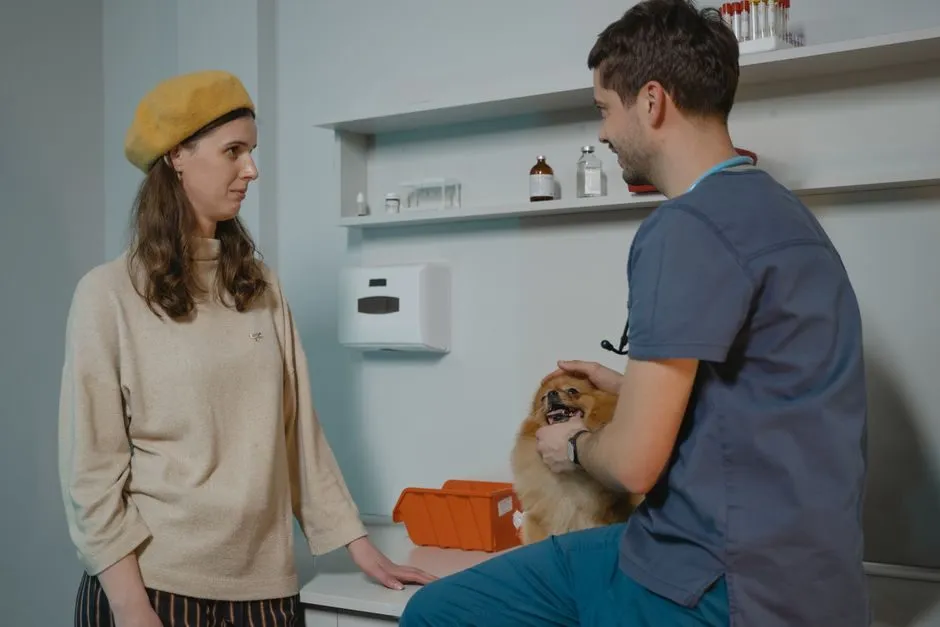
Whether you are looking for preventive advice, advanced therapies, or just peace of mind, our veterinarians are here to help. If you have noticed any changes in your pet’s mobility or comfort this season, do not hesitate to reach out to us for a comprehensive physical exam or to learn more about joint pain management options. When searching for a vet near me, remember that compassionate, expert care for your dog or cat is just around the corner at Stanwood Family Pet Care.
To schedule an appointment, call us at (360) 629-8387 or visit our clinic at 7207 265th St NW, #104, Stanwood, WA 98292. We are dedicated to helping your pet feel their best, no matter the season.