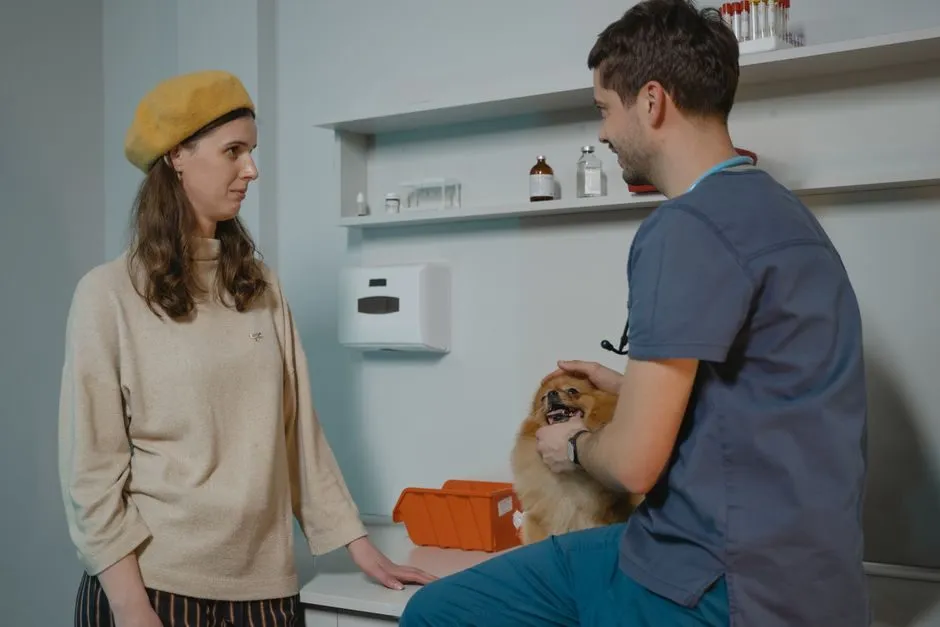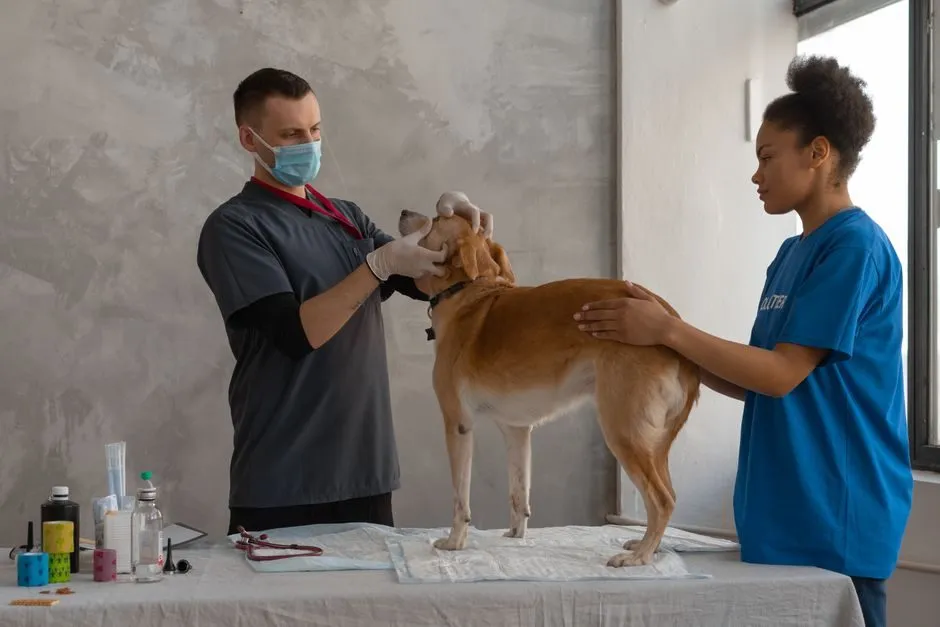
As the leaves begin to fall and rainy days become the norm in Stanwood, many pet owners start to wonder if their dog or cat is at risk for seasonal illnesses. While the crisp autumn air might feel refreshing, the wet conditions of November bring their own set of challenges for pets—especially when it comes to parasite risks. At Stanwood Family Pet Care, located at 7207 265th St NW, #104, Stanwood, WA 98292, we see firsthand how parasites can affect dogs and cats during the fall months. Whether your companion spends most of their time indoors or enjoys outdoor adventures, understanding the seasonal threats and taking preventive steps is essential for keeping them healthy and comfortable. In this blog, we’ll explore which parasites are most active in Stanwood’s autumn climate, why even indoor pets can be at risk, and what you can do to help your pet avoid illness. Our goal is to equip you with practical advice, supported by our veterinary team’s experience, so your pet can enjoy everything this season has to offer—safely.
Recognizing Fall Parasite Risks in Dogs and Cats
When the weather turns cool and rainy in the Pacific Northwest, you might assume that parasites like fleas, ticks, and worms become less of a concern. Unfortunately, fall conditions in Stanwood actually create an ideal environment for many pests to thrive. Fleas and ticks remain active well into the autumn, especially in moist leaf litter and sheltered outdoor spaces. Additionally, intestinal parasites such as roundworms and hookworms can persist year-round, with pets at risk of exposure through contaminated soil, standing water, or interactions with wildlife.
It’s important for pet owners to stay vigilant for subtle signs that could indicate a parasite problem. Common symptoms include increased scratching, chewing, or biting at the skin, which often points to flea or mite infestations. You may notice visible fleas, flea dirt, or irritated skin, particularly around the base of the tail or along the belly. With ticks, a small lump or engorged tick might be found on your pet’s head, ears, or between the toes after walks in wooded or grassy areas. Symptoms of internal parasites can be less obvious but may involve weight loss, a dull coat, visible worms in stool, scooting, or a distended abdomen in puppies and kittens.
If your pet experiences persistent itchiness, sudden changes in appetite or energy, or signs of digestive upset, it’s time to consider a comprehensive physical exam to rule out parasite-related problems. Our veterinary professionals can help determine the underlying cause and recommend appropriate treatment.
Why Are Parasites a Fall Problem in Stanwood?
The unique climate of Stanwood and its surrounding communities means that wet, mild autumns allow many parasites to remain active longer than in drier regions. Fleas thrive in damp conditions, with eggs and larvae hiding in fallen leaves, under decks, and in pet bedding. Even a brief outdoor excursion can be enough for your dog or cat to pick up fleas, which then multiply quickly in the warm environment of your home. Ticks are another concern; they seek out hosts during cooler months, particularly in brushy or wooded areas, and their bites can transmit diseases such as Lyme or Anaplasmosis.
Intestinal parasites like roundworms, hookworms, and whipworms also remain a year-round issue due to the moist soils common in our area. Pets can ingest parasite eggs while exploring the yard, sniffing contaminated surfaces, or through contact with other animals’ feces. Even cats and dogs that spend most of their time indoors are not immune, as parasites can hitch a ride inside on shoes, clothing, or other pets.
It’s a common misconception that parasite risks disappear with the first cold snap. In truth, many eggs and larvae survive in protected environments, remaining dormant until temperatures rise again. That’s why consistent year-round prevention is so important for Stanwood’s pets.
How Veterinary Professionals Diagnose and Treat Parasite Issues
If you suspect your pet may be dealing with parasites this fall, a visit to Stanwood Family Pet Care is the best next step. Our team of veterinarians uses a combination of physical examinations, skin evaluations, and laboratory testing to pinpoint the type of parasite affecting your dog or cat. For external parasites like fleas or ticks, diagnosis often involves a thorough search of the coat and skin, sometimes paired with microscopic evaluation of skin scrapings. When skin irritation or allergic reactions occur, our pet dermatology services can help identify and address underlying conditions linked to parasite infestations.
For internal parasites, stool samples are analyzed for eggs or larvae. In some cases, additional blood work or imaging may be needed if symptoms are more severe or if your pet is showing signs of systemic illness. Once a diagnosis is established, treatment options may include prescription parasite preventives, medicated shampoos, topical solutions, or oral medications. Addressing your pet’s environment is also crucial; thorough cleaning of bedding, carpets, and common resting areas helps eliminate lingering eggs or larvae, reducing the risk of reinfestation.
We always tailor our approach to your pet’s specific needs, taking into account their age, health status, and lifestyle. Our goal is not only to treat current infestations but also to protect your pet from future problems.
Preventing Parasite Illness at Home This Fall
The best way to keep your dog or cat healthy throughout Stanwood’s wet autumn is to stay proactive about parasite prevention. Regular use of veterinarian-recommended flea and tick preventives is the cornerstone of year-round protection, as these products are designed to interrupt the parasite life cycle and keep infestations from taking hold. Even if your pet only ventures outside occasionally, maintaining their preventive schedule during the fall months is essential.
In addition to medications, practical habits can help minimize risk. After outdoor walks or play sessions, take a moment to check your pet’s coat and paws for fleas, ticks, or debris. Washing bedding and vacuuming frequently removes parasite eggs and larvae from your home environment. Try to limit your pet’s access to areas where wildlife or stray animals may frequent, as these can be sources of parasite exposure.
For pets with ongoing skin issues or a history of allergies, prompt attention to any new irritation is important. Our pet dermatology services offer solutions for managing itchy skin and other discomfort caused by parasites. For dogs and cats at higher risk of heartworm or intestinal worms, routine testing and deworming may also be advised.
Staying up to date with a comprehensive pet exam allows our veterinary team to monitor your pet’s overall health and catch potential problems early. Prevention is always easier—and more affordable—than treating a full-blown infestation.
When Should You Schedule a Veterinary Visit?
Knowing when to seek professional help is key to protecting your pet’s health during the challenging fall months in Stanwood. If you notice persistent scratching, sudden hair loss, signs of discomfort, or visible parasites on your pet, it’s time to contact your veterinary team. Other warning signs that warrant prompt attention include changes in appetite, vomiting, diarrhea, lethargy, or unexplained weight loss—which can all point to internal parasite issues.
If your pet is overdue for parasite prevention or you’re unsure about the best products to use, scheduling a semi-annual comprehensive veterinary exam provides an excellent opportunity to discuss your concerns and create a customized prevention plan. Our veterinarians can answer your questions, recommend safe and effective treatments, and help you develop routines that fit your family’s lifestyle.
Remember, some parasites carry health risks for people as well as pets, making prompt diagnosis and treatment even more important for the wellbeing of your entire household.
Keeping Your Pet Safe This Autumn: Take Action Against Fall Parasites
Stanwood’s rainy fall weather brings beauty and adventure, but it also means pet owners must be extra vigilant about parasite risks. By understanding which pests are active this season, recognizing early warning signs, and working with a trusted veterinary team, you can help your dog or cat enjoy a healthy, comfortable autumn.
If you’re searching for a veterinarian near me who truly understands local parasite challenges, look no further than Stanwood Family Pet Care. Our veterinary professionals are dedicated to providing thorough exams, effective treatments, and practical advice tailored to your pet’s unique needs. Whether you have questions about prevention, need help with a skin issue, or want peace of mind through a wellness visit, our team is here to support you every step of the way.
To schedule an appointment or talk to one of our experienced veterinarians, call (360) 629-8387 or visit us at 7207 265th St NW, #104, Stanwood, WA 98292. You can also explore more about our comprehensive pet exam and pet dermatology services on our website. Let’s work together to make this autumn a healthy and happy season for your pet.
This blog is intended for informational purposes only and should not replace individualized veterinary advice. If your pet is experiencing urgent symptoms or you have concerns about their health, please contact your veterinarian promptly.